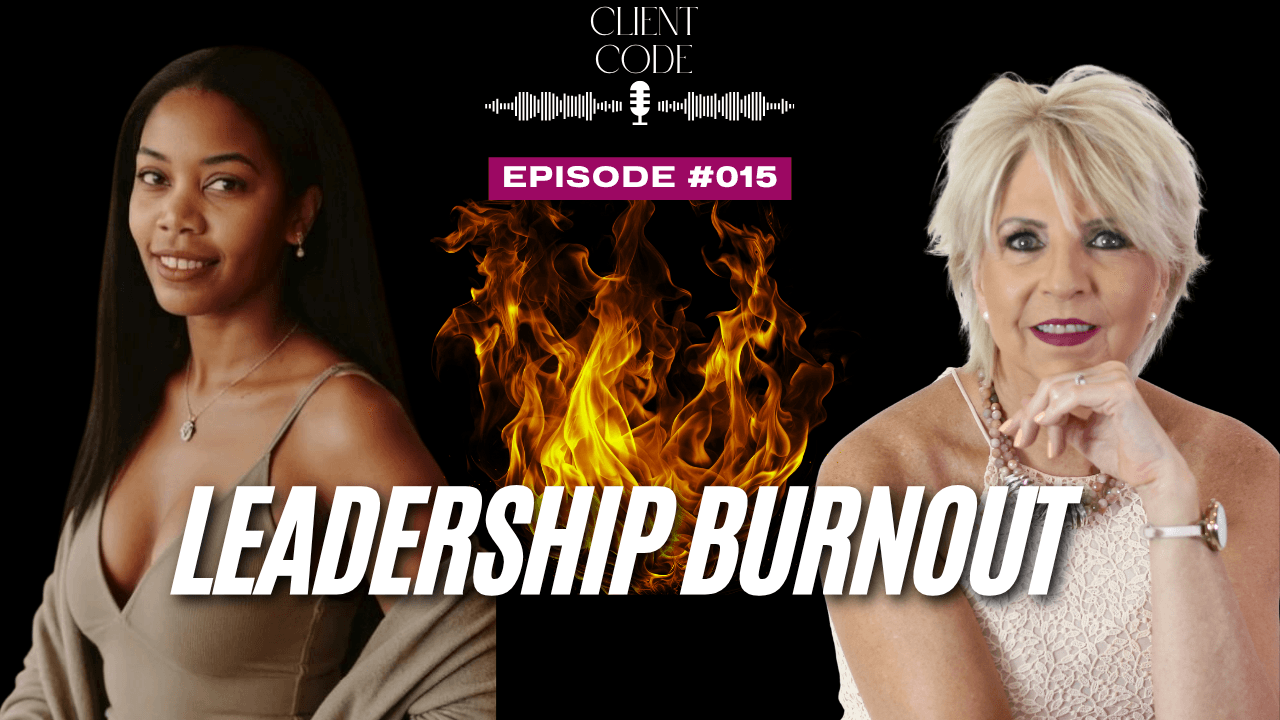
Let me tell you something. I think my mom went and had another child and her name is Francheska. That's exactly what happened, she's my long-lost sister and she showed up to this interview with the same glasses, same wall panelling, opposite-colour t-shirt. We are literally the same person. And this conversation? It was pure energy from start to finish.
Francheska Stone is the host of the 9 to 5 Mom with a Pod, and she helps mom creators figure out how to start, grow, and actually enjoy podcasting. She was a civil litigation paralegal for 10 years before she made the leap. No fancy studio. No master plan. Just a commitment gene that most of us wish we had.
From Paralegal to Podcaster (Thanks to a Friend Who Was Just Talking)
Here's how it started. Francheska's friend casually said, "Wouldn't it be funny if we put the stuff we talk about on a podcast?" Most people would've nodded and moved on. Not Francheska. She's what she calls a "committer", if you mention an idea around her, she's already booked the recording space by the next phone call.
"The next time I called her, I go, 'I already have the place where we're going to record.' And she's like, 'I didn't know you were serious about that.'"
Her co-host eventually stepped away, she got pregnant, had nursing school, had the baby, and life took over. Francheska understood. But she didn't stop. She just needed to figure out what her solo podcast would be about. She stumbled into a Facebook group for mom creators and realised every question they were asking, about audio, editing, legal stuff, social media, she already knew the answers to.
That's when 9 to 5 Mom with a Pod was born. A podcast for moms who feel like they're more than their current situation, the ones who had their career identity, had a baby, and now feel that pull toward something purposeful and flexible. Francheska nailed the description of that moment every mom hits: the identity shift, the clash between "this isn't about me anymore" and "but I still want to build something."
I felt that one personally. I'm about to start this journey of becoming a mom, and even before it begins, the fears Francheska described are already showing up for me.
You Don't Need a Studio, You Need to Start
This is where Francheska gets real, and it's the advice I want every aspiring podcaster to hear. She started with audio only, recorded on a cheap Amazon microphone she can't even remember the name of. Her AirPods? She says those would've been enough.
"If you let imposter syndrome take over, two years are going to pass by like this. And then everybody else is doing what you want to do and you haven't done it because you thought you needed an entire studio."
She quoted Rick and Morty, "Put all your stuff in a backpack and go sell it at the stuff museum", and honestly, that's the energy. Stop waiting for perfect conditions. She was juggling 63 Blake Lively cases a day as a litigation paralegal, working from home with a baby who wasn't in daycare, tag-teaming childcare with her husband. And she still started.
Things don't get easier, Francheska told me. You get more resilient. She compared it to lifting weights at the gym, you started at 30 pounds, went to 40, then 50, and suddenly what used to crush you feels weightless. That's the same thing in parenting and business. The problems don't shrink. You grow.
Monetise Smart, Not Fast
I asked the question everyone's thinking: how do you actually make money from a podcast? Francheska was refreshingly honest. Don't go in expecting to monetise in year one. If you're starting because it brings you joy, you're already on the right track.
Her practical advice: tie your podcast back to a business or service. If you're a nutritionist, a photographer, a coach, use your podcast to demonstrate expertise and funnel listeners to your services and your email list. Because here's the thing about podcasting, listeners hit follow and episodes show up. There's no direct click-to-buy. So you need another layer.
"Podcasting is just purely listener-based. There is no CTA other than they're hitting follow. So sponsorships are just paying for your listens."
And that other layer, for Francheska, is the email list. She got almost obsessive about it, in her own words, and for good reason. Your podcast platform, your social media, your followers? All borrowed land. It can disappear tomorrow. Your email list is the one thing you actually own.
She also uses Eventbrite for monthly visibility events and giveaways to grow her community. The whole approach is: get people in the door, nourish them, and don't take it personally when some leave. Not everyone is your person. And that's okay.
Quick Takeaways
- Start with what you have. AirPods and a phone are enough to launch a podcast. Don't let equipment be your excuse.
- Imposter syndrome never fully goes away. Even with Adobe brand deals, Francheska still battles it. The difference is she doesn't let it stop her.
- Tie your podcast to a business. Use it to demonstrate expertise and funnel listeners to your services, your newsletter, or your products.
- Build your email list like your business depends on it. Because it does. Everything else is borrowed land. The same principle applies to paid visibility strategy.
- Things don't get easier, you get more resilient. The problems stay the same size. You just get stronger at handling them.
"If you let imposter syndrome take over, two years are going to pass by like this."